
Congo’s Sassou-N’Guesso sworn in to fifth presidential term
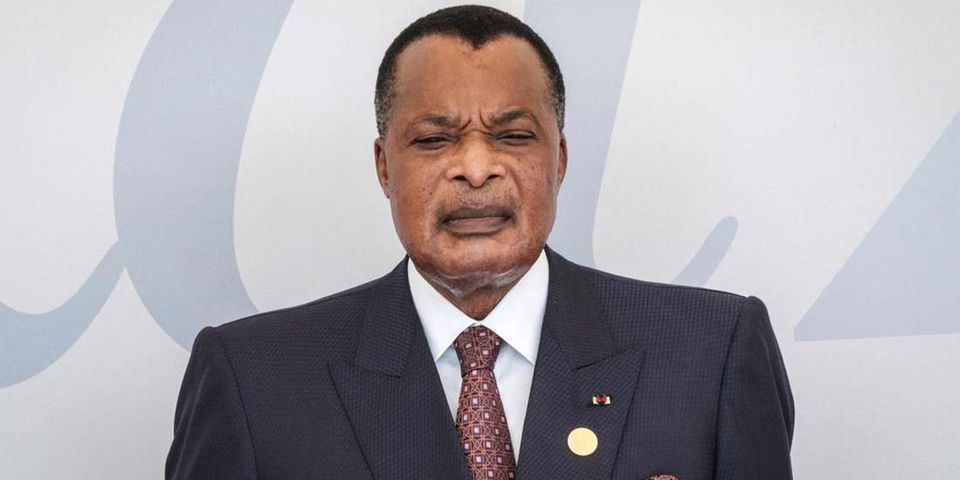
Denis Sassou-N’guesso of the Republic of Congo was sworn in as president on Thursday following his victory in March’s presidential election.
In his inauguration speech, the 82-year-old leader promised development and jobs for young people as he begins his fifth term in office.
Sassou-N’Guesso said he’ll revitalize the national economy and prioritize agriculture and industry in the Central African country.
“Create jobs for as many people as possible and continue to develop basic infrastructure and promote development”, he said during a ceremony in Brazzaville which was attended by several heads of state.
The African leader won the election in the first round with 94.90 percent of the vote. Official numbers put turnout at over 84 percent but observers had predicted record lows, given the lack of serious opposition.
Observers, including those from the African Union, praised the “peaceful and orderly” conduct of the electoral process, while the six other candidates complained of “fraud and a low” turnout.
Sassou N’Guesso, running for the Congolese Party of Labor, first came to power in 1979 and ruled until 1992 when he organized the country’s first multi-party elections. He returned to power as a militia leader following a four-month civil war in 1997.
The Republic of Congo is struggling with high international debt, which stands at 94.5 percent of its gross domestic product, according to the World Bank, and skyrocketing unemployment rates for young people. More than half the country’s 5.7 million population lives in poverty and 47 percent of the country’s population is under 18.
During his election campaign, the president underlined his economic record, having pushed to modernise the country’s infrastructure and develop the gas and agriculture sectors in a bid to make Congo self-sufficient.
Oil and gas provide most of the state revenue, driving growth that is estimated to be 2.9 percent for 2025. Nevertheless, more than half of the country lives below the poverty line.
Critics say the country’s growth has been sapped by massive amounts of state oil revenue syphoned into the bank accounts of senior administration officials.
The government has already been the target of several criminal complaints and investigations, notably in France.

