Africa’s rainmakers still in demand but face challenges from climate change

African rainmakers have long been revered as spiritual leaders who perform rituals to bring rain, with the role often passed down through generations. But climate change is raising expectations they cannot meet, leaving rainmakers increasingly blamed for drought — and in extreme cases, killed by mobs.
Here in eastern Uganda, rain is more than just weather — it is a blessing that can mean the difference between a harvest and hardship.
For generations, communities across Africa have revered spiritual leaders known as “rainmakers,” who perform rituals to call for rain.
The role is often passed down through generations, with the rainmaking spirit believed to enter members of particular clans.
But with increasingly erratic weather, the rainmakers are becoming victims of their own reputation.
Across parts of sub-Saharan Africa, farmers who depend on rainfall for their livelihoods are placing enormous expectations on those believed to have the power to summon it.
And when the rain fails to come, some rainmakers are paying the ultimate price.
In South Sudan, which borders Uganda to the north, at least two rainmakers have been killed in the past few years.
In 2024, Solomon Oture was buried alive in the remote village of Lohobohobo during a dry spell. In June, in a southeastern area facing a prolonged dry spell, men abducted a rainmaker named Albino Lobillia and buried him alive.
For communities dependent on subsistence farming, failed rains can mean failed harvests, hunger and lost livelihoods.
Millions of people in Uganda and South Sudan depend on agriculture to feed their families, making rainfall a matter of survival.
Weyusya, an elder in the Inzu ya Masaba cultural community in Uganda, says becoming a rainmaker is not a choice, it’s an inherited calling.
“These people called rainmakers do not just wake up one morning and become rainmakers. They have clans (families) they are coming from. If that clan, right from the very beginning, were rainmakers, then somebody else comes up — not because of his will, but because of the ancestral way. We have what we call ‘khumusambwa’. It is believed to be a spirit that enters somebody to start performing,” he says.
Climate change
But changing weather patterns are putting these traditional beliefs under growing pressure.
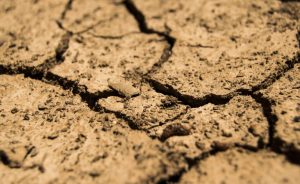
Droughts and unpredictable rainfall are destroying crops and livelihoods, while rainmakers are increasingly blamed for their inability to deliver the rain communities expect.
The rainmakers themselves insist their powers come from above and are genuine.
“I got powers to make rain. I use herbs to perform rain rituals that can make me call rain or stop rain from raining,” says rainmaker Kilindon Simiyu.
Ugandan rainmakers have not faced the killings reported in South Sudan, but some have been assaulted or reported to authorities for allegedly taking money under false pretenses.
Those seeking their services are expected to pay a fee — sometimes as little as $13, and in some cases as much as $260.
That was the amount rainmaker David Nabutsilili was reportedly paid to prevent rain during President Yoweri Museveni’s campaign visit to the area last year.
It did not rain that day.
But the transactional nature of rainmaking can also fuel conflict when people believe a rainmaker has failed and refuse to accept that the weather did not change.
Unlike Christian priests and some traditional healers, rainmakers can sometimes be viewed with suspicion — even accused of deliberately withholding rain or using their powers to punish entire communities.
‘They help us’
Yet some villagers say the rainmakers still have a role to play.
“These people, to some extent, they help us,” says Namisindwa local, Isaac Watenga. “Like now, we are having a lot of drought. But these people are at least trying, because if you compare this area with other parts, however much rain is not there, they can try to some extent. You see some drops dropping that support our crops.”
Nabutsilili, who walks barefoot wherever he goes, is regarded by many as particularly powerful. He is said to be able to summon rain without even travelling to the waterfall where other rainmakers perform their rituals.
The 45-year-old says he first became possessed by the rainmaking spirit as a boy, after mysterious wounds appeared on his legs.
He also recalls a time when his anger allegedly caused heavy rain that destroyed crops in the community.
“One time I had some issues with the local community here and because I was angry, I caused a lot of rain that destroyed people’s crops and gardens,” he recalls.
“The locals came to my house and they chased me and, as I was running, I tripped on a rock and broke my leg. I was only saved by some friends who took me to Mbale Main Hospital.”
Rivalries
There are at least four rainmakers from the village of Namatsokha, and their competing claims to power can sometimes create rivalries.
Thirty-year-old Simiyu says rainmakers sometimes try to discredit one another, with tensions eased only when they come together in associations.
However Namatsokha recently experienced one of the driest spells that locals could remember.
Weyusya says the uncertainty is not unique to traditional rainmakers.
“These things are complicated in their own way. Even these people who predict rain, you realise that sometimes they predict there is going to be El Niño and eventually it doesn’t happen. So, do we kill them? No.
“Scientists can predict some things and they fail. So sometimes maybe we start saying these are God things or something like that. Likewise, these people, the rainmakers, have times when they do their miracles and then it happens well. But when it doesn’t, then it happens another way.”
For the rainmakers, however, belief – and the work that comes with it – continues.
Most say they know no other life.
“The work we do requires patience,” says Nabutsilili.
“Sometimes we call rain and it starts with drizzling. It drizzles for some time, then it starts raining. And when it rains, we are all happy. Even the villagers can call you and offer you sodas, teas or other things just to appreciate us. And that is the most important thing,” he says.
As the climate grows more unpredictable, rainmakers are left walking a dangerous line between ancient belief and modern desperation.