São Tomé and Príncipe gears up for elections as voters hope for change
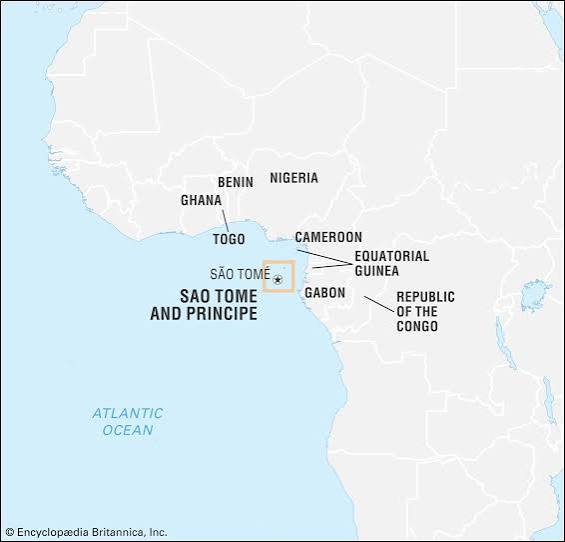
As São Tomé and Príncipe gears up for Sunday’s elections, voters in the small island nation said they are hoping for change and better leadership.
One issue towers above all others. How to stop young people from leaving the country.
From market stalls to taxi ranks, voters say they want the next government to create jobs and opportunities for a generation increasingly looking overseas for its future.
Student Gelmarisa dos Ramos, said she will be voting in the elections, doing her duty as a citizen.
“These elections are important to me because they are a way to choose someone who can lead the country better and take it to the next level,” she said.
For street vendor, Alcina Rita, it is important that the elections go well and without any irregularities.
“Why is this election important, because I would like the country to change a little. It’s very chaotic. And yes, I will vote,” she said.
Edilson Gaspar, a driver said he plans to vote and advises his fellow citizens to do the same saying he wants change for his country.
“My expectation for this year is to see a prime minister from São Tomé, and as a citizen, I have to exercise my right to vote and contribute to my country,” he said.
Outside the bustling central market in the capital, three young motorcycle taxi drivers debated whether voting was even worth it.
“Since I was born, nothing has changed in this country,” said Miguel, who plans to stay home on election day and like other locals interviewed declined to give his full name.
Ericson was undecided, while Nilson said he would vote in the hope that “these elections will create jobs”.
One point they all agree on is that too many young people see no future at home.
“We need investment, new businesses, a new port, and a new airport,” Nilson said, arguing that young people often ended up in his job because there were few alternatives.
The around 142,000 voters will have to choose between seven political parties battling for control of the 55-seat National Assembly.
They will also vote in municipal elections across São Tomé island, and regional elections in Príncipe.
In the small parliamentary democracy, often regarded as one of Africa’s more stable political systems, it is the legislative vote is the contest that matters most.
With emigration surging in recent years, whoever wins will face the challenge of convincing young people that they can build a future at home.
A 2025 World Bank report estimated at least 18 per cent of the country’s population, nearly 40,000 people, lived abroad.
“The whole economy is suffering from this,” said former prime minister Gabriel Da Costa, who pointed to labour shortages in sectors such as construction.
All major parties agree that attracting investment is essential.
“Our entire policy is aimed at creating the conditions needed to attract investors,” said foreign minister Ilza Amado Vaz, a candidate from the ruling Independent Democratic Action party.
The goal, she said, was to reduce the country’s dependence on foreign partners, including Portugal, the EU, Brazil, China, and the United States.
Amado Vaz also hopes to expand “high-quality tourism that respects biodiversity” in the island nation, whose beaches and ecosystems have earned UNESCO biosphere reserve status.
However, the young democracy also faces the prospect of a low turnout. Numbers have tumbled in recent elections and nearly six out of 10 voters staying away from the polls in July’s presidential vote.