
South Africa: Rigging Claims and Xenophobia Intersect Online Ahead of South Africa’s Elections
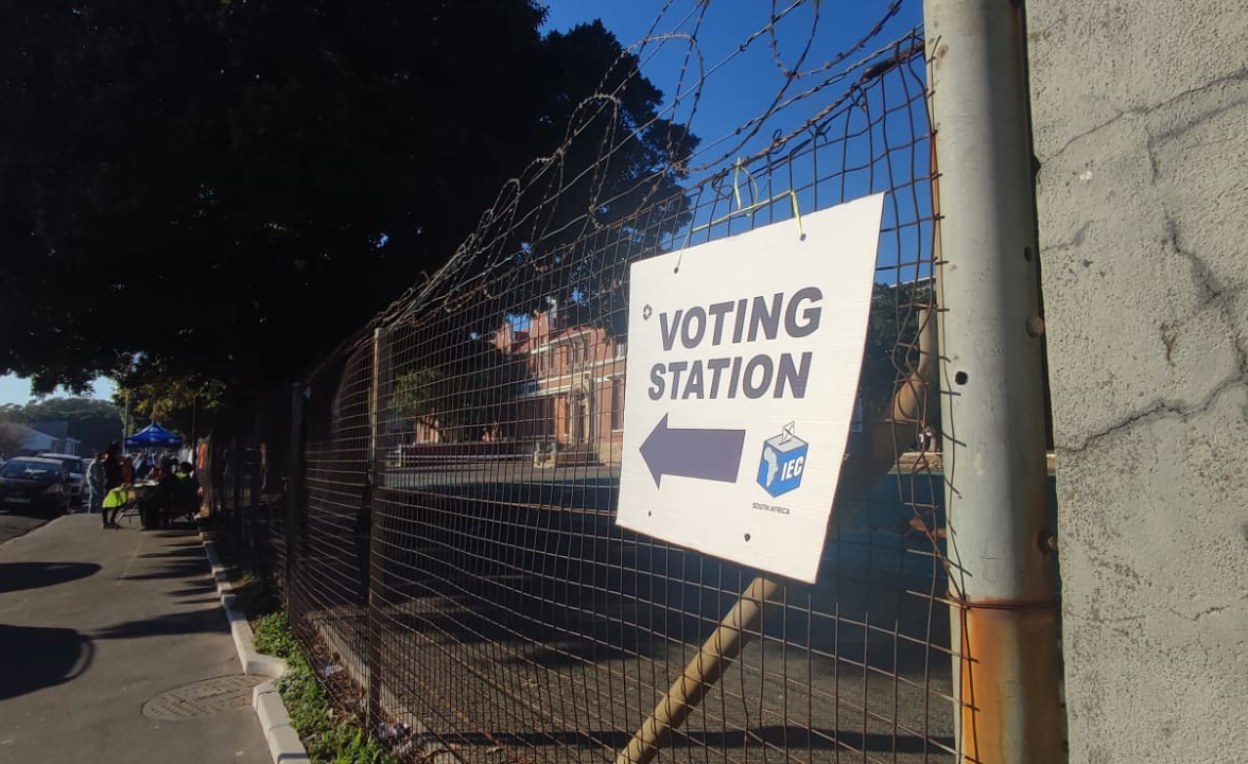
Cape Town — Days before South Africans vote in the local government elections on Wednesday 4 November 2026, social media is carrying unverified claims of election rigging alongside posts that blame foreign nationals. This has raised concerns about the potential for online hostility to spill into real-world tensions.
The Centre for Analytics and Behavioural Change (CABC), through its High-Risk Events Monitoring programme, logged 79 potentially harmful posts between 22 and 29 October. This included allegations of electoral fraud, hate speech and calls that could incite violence.
One post urged people to gather at voting stations to stop foreign nationals from voting. Of the 79 posts, 51 were tagged as misinformation or disinformation, 33 as hate speech and 12 as incitement to violence. The categories overlap, so a single post can fall into more than one. The posts attracted approximately 546,600 views, 29,600 likes, 4,100 shares and 1,350 comments across platforms.
According to CABC, the wider conversation was much larger.
Over the eight days to 29 October, the CABC recorded more than 15,310 mentions of the elections from 6,426 unique authors, with volumes rising steadily from 25 October.
Illegal immigration was the leading topic.
The organisation found that conversations about illegal immigration were largely driven by frustration with government immigration policies and perceptions among some users that protests against immigration were being silenced. Elements of collective blame directed at foreign nationals were also identified. Users were angry about the government’s immigration policy and what they saw as an attempt to silence protests on the issue.
The monitoring also reported on the mobilization of foreign nationals to campaign for political parties, with concerns that immigration related grievances could fuel tensions around the electoral process.
Most of the South African conversations were critical of the ruling political parties, with users expressing concern over the ongoing struggles facing citizens. Other posts criticised governing parties or focused on the Independent Electoral Commission (IEC) and its preparations.
Election-related discussions increased steadily from 25 October, with a spike of approximately 1,000 additional mentions on 26 October.
The quietest day was 24 October, with 1,253 mentions, which the CABC said coincided with Economic Freedom Fighters ( EFF) leader Julius Malema’s campaigning in Mpumalanga, where he put “unemployment and poor service delivery at the centre of his party’s election campaign.”
The highest volume of mentions was recorded on 27 October, reaching 2,615. According to the CABC, this increase was driven partly by debates between the African National Congress (ANC) and the Democratic Alliance (DA) over housing delivery in Cape Town.
The ANC’s mayoral candidate argued that the party had a stronger housing delivery record, claiming it had “delivered more housing in that period than the DA has in 20 years”.
According to CABC, the log records approximately 546,600 views, 29,600 likes, 4,100 shares and 1,350 comments across entries with available metrics.
Three narratives driving online hostility
The CABC identified three recurring narratives in the online conversation: allegations of election rigging, xenophobic claims linking foreign nationals to electoral manipulation, and calls that could translate online hostility into confrontation at polling stations.
The first centres on distrust in the IEC and the credibility of the electoral process.
Several users cast doubt on the IEC and the credibility of results before voting took place. One post claimed the ANC had already voted on behalf of citizens and offered what it presented as proof of ANC–IEC collusion. The CABC logged 95,500 views for it. Another user suggested that a delay in announcing results would allow them to be doctored. Other posts alleged the IEC was compromised or asked whether an ANC or DA victory could occur without rigging.
The CABC said these posts show how suspicion of election administration is being expressed “as specific, but unverified, allegations”. It stressed that criticism or distrust alone is not necessarily misinformation.
“Distrusting an institution is not misinformation. Posting specific accusations with nothing behind them is,” said CABC. “Claims that the count is rigged hand people a ready-made explanation for any result they dislike. When those claims are tied to foreign nationals, they can send people to a polling station looking for someone to blame.”
CABC warned that unsubstantiated rigging allegations could undermine confidence in election results, particularly when used to explain outcomes that political supporters or voters may dislike.
The second narrative links foreign nationals to alleged electoral manipulation and political advantage.
One user claimed the ANC was replacing South Africans with foreign nationals, using a derogatory term for migrants. Another alleged that Home Affairs was issuing identity documents to foreign nationals in Cape Town, a post with 35,000 logged views. A third claimed migrants would be used to dilute South Africans’ votes and rig elections.
The CABC said the common thread is “an unsubstantiated suggestion that immigration and documentation are tools for manipulating the electorate”. It warned that this framing risks confusing immigration status with eligibility to vote and reinforcing hostility towards migrant communities.
The third narrative raised concerns about the possibility of online allegations translating into confrontation at voting stations.
Some posts went beyond claims of unfairness to calls for direct action. One user urged South Africans to gather at voting stations on 4 November to prevent foreign nationals from voting for the ANC and the EFF, a post with 3,366 logged views. Another warned that foreign nationals were allegedly being mobilised to campaign for a political party.
The CABC said these examples “do not establish organised intimidation or impending violence”. However, they illustrate how unverified claims about migrant participation might be translated into confrontational activity near polling stations. Lawful observation and political mobilisation, it said, must be distinguished from threats, discriminatory targeting and interference with voters.
In its conclusion, the organisation warned that allegations of electoral fraud and xenophobic narratives could reinforce one another.
“The clearest risk is not proof of widespread manipulation, but the possibility that unverified claims weaken confidence in electoral processes and encourage hostility towards perceived foreign voters,” reported the CABC.