Nigeria: Tackling Nigeria’s Cancer Crisis Through Prevention, Equity

As the world marked World Cancer Day 2026, Nigeria has been reminded that cancer is not just a medical challenge, it is a profound social and human issue.
According to the National Institute for Cancer Research and Treatment (NICRAT), the country records over 120,000 new cases and 72,000 deaths each year. For many Nigerians, the cancer journey is made harder by late diagnosis, limited access to screening, high treatment costs and uneven quality of care.
This year’s World Cancer Day theme, “United by Unique,” underscores the fact that while every cancer journey is personal, Nigerians are united in the fight against the disease.
President and CEO of the Nigerian Cancer Society (NCS), Prof. Abidemi Omonisi,
emphasised that many cancers are preventable and treatable. “Prevention begins with awareness, early detection, and healthy lifestyles,” he said, noting that risk factors such as tobacco use, unhealthy diets, alcohol, obesity, and environmental exposures account for a significant portion of cancer deaths.
Despite progress in awareness and policy, many Nigerians are still diagnosed at advanced stages. public health advocates stress that without stronger preventive measures, hospitals alone cannot reduce the growing burden.
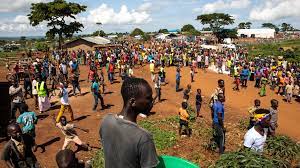
A major challenge lies in reaching underserved populations. Much of Nigeria’s cancer care infrastructure is concentrated in urban centres, leaving rural communities and internally displaced persons (IDPs) particularly vulnerable. Over two million Nigerians are currently displaced due to insurgency in the northern states, and many of these individuals lack access to screening or treatment.
To address this gap, the Nigerian Cancer Society said it is leading initiatives to bring care closer to those in need. Its Free Cancer Screening Project plans to deploy mobile screening and treatment vans to rural areas and IDP camps across the country’s six geopolitical zones.
Prof. Omonisi stressed that “Access to quality care should not depend on where you live or how much you earn. Equity must be at the heart of Nigeria’s cancer response.”
NCS emphasised that no single institution can tackle cancer alone, stressing that effective cancer control requires coordinated action from government, through policy, financing, and accountability, health professionals: delivering evidence-based and compassionate care, researchers: generating data that reflects local realities, civil society and communities: amplifying voices and promoting awareness, the private sector: supporting initiatives and innovation.
Young Nigerians, Prof. Omonisi noted, must also play a role: adopting healthy lifestyles, participating in screening programmes, and speaking openly about cancer.
While Nigeria has made strides in cancer control, including the establishment of NICRAT, National Cancer Health Fund, and upgraded tertiary facilities, significant challenges remain. Late presentations, out-of-pocket expenses, shortages of trained oncology personnel, and limited diagnostic capacity continue to hinder progress.
“World Cancer Day is a call to move beyond awareness alone. t is a call to action, to equity, and to measurable impact. Let us replace fear with facts, silence with conversation, and delay with early care,” Prof. Omonisi said.
Tackling Nigeria’s cancer crisis requires prevention, early detection, and equitable access to care. By bringing screening and treatment to rural communities, supporting survivors, and prioritising prevention-focused policies, the country can begin to shift the narrative, turning cancer from a life-threatening diagnosis into a manageable, treatable condition.
“Together, though each of us is unique, we stand united in hope, in courage, and in the pursuit of changing the cancer story in Nigeria,” Prof. Omonisi said.
cancer is no longer a distant threat in Nigeria. the disease has become a pressing public health challenge.
While treatment in hospitals is vital, public health advocates warn that without prevention and early detection, the country will struggle to curb the rising burden.
Globally, more than 40 per cent of cancer-related deaths are linked to modifiable risk factors such as tobacco use, alcohol consumption, unhealthy diets, and environmental pollution. In Nigeria, these risks are compounded by systemic challenges: weak food regulations, widespread marketing of ultra-processed foods, poor enforcement of tobacco and alcohol laws, and limited public awareness of healthy lifestyles.
CAPPA, a public interest organisation, noted that the country’s broken food system, from excessive sugar and salt in processed foods to inadequate nutrition education, plays a growing role in non-communicable diseases.
Late-stage diagnoses dominate cancer care in the country, largely due to low awareness, limited screening facilities, and high out-of-pocket costs. While government efforts are underway, including the launch of eight preventive oncology clinics in federal tertiary hospitals and nationwide free screening programs through NICRAT, accessibility remains uneven across regions.
Emphasising that expanding early detection services is critical, the Minister of State for Health and Social Welfare, Dr. Iziaq Salako, said “Prevention and timely diagnosis are the most cost-effective tools we have,” noting that health interventions must go beyond treatment to address underlying risk factors.
While the National Cancer Control Plan (NCCP) 2026-2030 and the National Nuclear Medicine Policy provide frameworks for prevention, screening, and treatment, their success depends on enforcing tobacco and alcohol regulations, implementing healthy food policies and nutrition standards, raising public awareness on early detection and lifestyle risks, expanding screening coverage, particularly in underserved areas.
Without addressing these gaps, public health advocates worry that the country risks continuing a cycle of late diagnosis, high treatment costs, and preventable deaths.
CAPPA stressed that the country cannot treat its way out of the cancer crisis, noting that a focus on prevention and early detection, coupled with coordinated health policies and community engagement, could significantly reduce the disease’s impact.
By Leadership.