Africa food systems forum: Putting capital where It matters
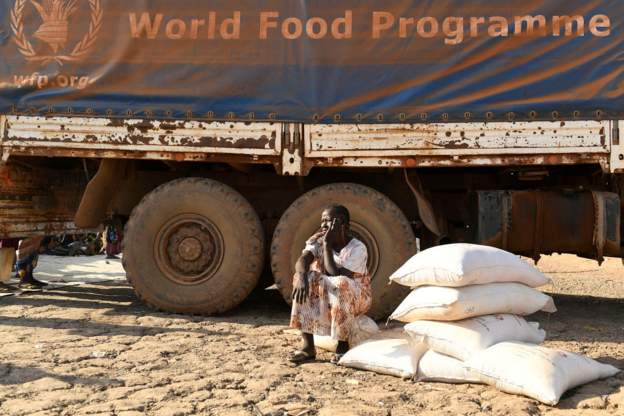
At the Africa Food Systems Forum in Kigali, one question is taking centre stage: how can Africa turn ambitious commitments to transform agriculture into financing that actually reaches the small and growing businesses feeding the continent?
While billions of dollars are being mobilised for agricultural development, much of the capital continues to struggle to reach local agri-SMEs. The challenge is increasingly shifting from simply raising finance to building a stronger connection between policy, investors and the businesses that need funding to expand.
Dr. Mallé Fofana, Deputy Executive Director and Head of the Directorate for Green Growth Implementation at the Global Green Growth Institute, discussed the barriers preventing international capital from reaching local agricultural enterprises and the steps needed to make these businesses more attractive to commercial lenders.
A key part of that process is helping early-stage agri-SMEs become more bankable. Strengthening business models, improving financial management and developing investment-ready enterprises can help bridge the gap between promising agricultural ventures and the commercial finance they need.
Blended finance could also play a critical role. By combining public or development funding with private capital, blended-finance models can reduce risk for commercial banks and encourage them to lend more to agriculture. For a sector that remains essential to Africa’s food security and economic growth, unlocking this capital could be transformative.
Kinshasa’s commuter tain returns after 15 years
In the Democratic Republic of Congo, a different kind of transformation is taking place on the tracks.
For years, getting around Kinshasa has meant navigating some of the city’s notorious traffic congestion. But after spending roughly 15 years out of service, the capital’s commuter train is running again, offering workers an alternative to the crowded and gridlocked roads.
The return of the train is a significant development for a city where reliable public transport is critical to the daily lives of millions of people. By providing another way for commuters to move across the capital, the rail service could help reduce pressure on the roads while making journeys more predictable for workers.
The development also offers a welcome reminder that progress in the Democratic Republic of Congo extends beyond the crises that frequently dominate international headlines. Restoring public infrastructure such as commuter rail can have a direct impact on economic activity, productivity and the quality of life in rapidly growing African cities.
Kenya accelerates its shift to electric mobility
Kenya is also seeing a major shift in the way people move.
Rising fuel prices are encouraging motorcycle riders and drivers to consider electric vehicles as a more affordable alternative to conventional petrol-powered transport. The country’s growing electric-mobility sector is being supported by local manufacturers seeking to bring down costs and make EVs accessible to a wider market.
Kenya has another advantage: its relatively strong supply of renewable electricity. This creates an opportunity for electric mobility to be powered increasingly by cleaner energy, potentially reducing both transport costs and emissions.
For motorcycle taxi operators and other commercial drivers, who depend heavily on their vehicles for their livelihoods, lower running and maintenance costs could make electric vehicles particularly attractive.
Local manufacturers are therefore looking to build an electric-mobility ecosystem that responds to Kenya’s specific needs while taking advantage of the country’s renewable-energy potential.