
Africa: How Prepared is Africa for a Nipah Outbreak?
Nipah is a highly lethal virus that causes severe illness with a high fatality rate, and there are currently no approved vaccines or specific treatments. Scientists are increasingly seeing it as a potential global threat.
The World Health Organization (WHO) has classified Nipah infection as a high-priority pathogen. There is an urgent need for a vaccine since the disease has a fatality rate of 75%, which is much higher than that of COVID-19. The confirmation of cases in West Bengal, India, prompted the WHO to issue a cautionary advisory.
There have been no reports of the outbreak on the continent.
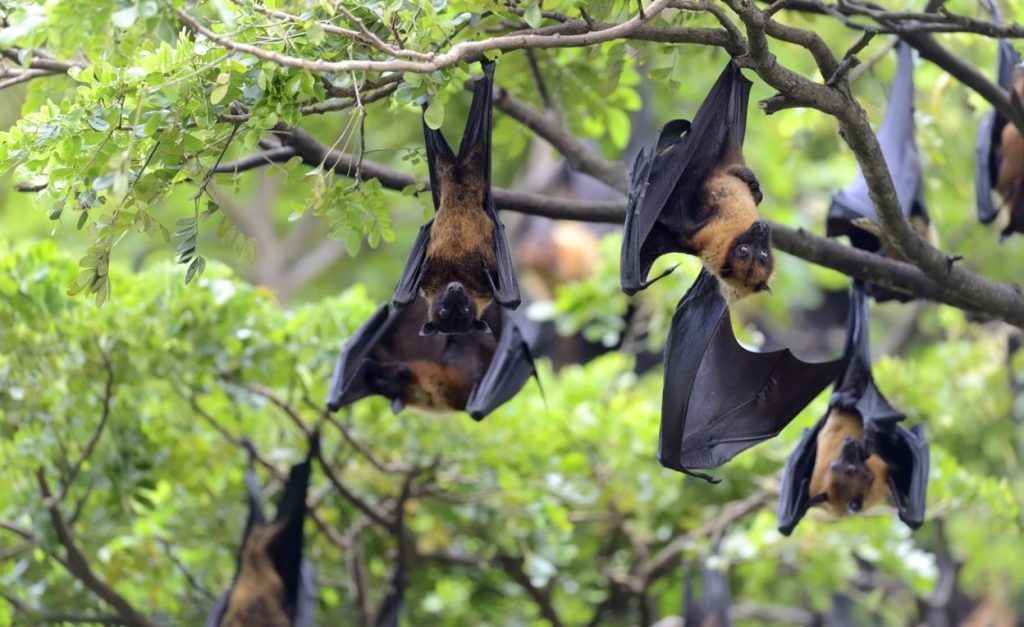
However, fruit bats of the Pteropus species, the natural reservoir for Nipah, have been found across parts of Africa, including Ghana and Madagascar, raising concerns about potential spillover events.
“We cannot speculate on the specific epidemiological risk of Nipah spreading to Africa. The lessons from Mpox and COVID-19 include the fact that we must treat every outbreak anywhere in the world as a risk. A virus knows no borders,” said Dr. Ahmed Ogwell Ouma, the CEO and President of VillageReach, a global non-profit focused on strengthening primary health systems.
“The most critical gap in Africa’s preparedness is the ‘first mile’ of detection. You cannot stop an outbreak you don’t see or diagnose,” he said. “At VillageReach, we are focused on strengthening early warning systems, specifically Lab Sample Transport, to ensure that when a suspected case arises, samples reach reference labs in under 24 hours. This logistics backbone is how we move from reactive panic to resilient response. An outbreak anywhere is a call to sharpen preparedness everywhere.”
Symptoms and risks
Fruit bats of the Pteropus species primarily carry the virus. Human infections, though rare, usually occur when the virus spills over from bats, often via contaminated fruit or direct contact with infected animals. Symptoms of infection include fever, nausea, vomiting, and respiratory problems, which may lead to pneumonia. A severe case of the virus may result in encephalitis, which is a dangerous swelling of the brain that may cause neurological symptoms such as drowsiness and seizures. Patients may also experience meningitis, heart muscle dysfunction, or severe breathing difficulties.
Nipah virus was first identified in Malaysia in 1998, among pig farmers, where it caused the death of more than 100 people. As a result, the virus was named after the village where the outbreak began. There have been sporadic outbreaks of the disease since then, raising concerns about the possibility of a wider epidemic spreading.
The early detection of this disease is challenging since the initial symptoms often mimic those of the flu, which makes rapid response difficult. The incubation period typically lasts between four and 14 days, although cases of longer delays have been reported. Experts warn that despite low human-to-human transmission rates, the absence of a vaccine and the virus’s high mortality rate make it an important threat to global health.
In 2022, WHO listed Nipah among its top 10 priority pathogens.
Two incidents in West Bengal serve as a reminder that vigilance is essential.
Authorities in Africa are closely monitoring the situation, with South African authorities urging the public to remain calm following reports of two Nipah virus cases in India, adding that there is “no immediate” risk to the country. The Department of Health said it is collaborating closely with the National Institute for Communicable Diseases (NICD) to monitor developments as the outbreak unfolds. Public health experts are raising concerns about the potential for a Nipah virus outbreak in Northern Nigeria, citing the region’s large and largely informal livestock sector. In Kenya, high bat populations and frequent human-wildlife interactions, especially in rural and peri-urban areas, underscore the importance of proactive preparedness, despite no reported cases.
By Melody Chironda