
Ethiopia: Drought, Food Shortages and Child Malnutrition Deepen Humanitarian Needs in Afar, Amhara and Tigray
Addis Abeba — Drought, rising food prices, shortages of essential medicines and disruptions to health services are compounding humanitarian needs across northern Ethiopia’s Afar, Amhara and Tigray regions, with displaced children particularly vulnerable to acute malnutrition, according to a humanitarian assessment document seen by Addis Standard.
The assessment, dated October 19 and covering developments between October 12 and 19, warns that the humanitarian consequences of escalating insecurity are unfolding against a backdrop of unmet needs left by the 2020-2022 northern Ethiopia conflict, subsequent episodes of fighting and displacement, and El Niño-related drought.
“Needs are likely to remain high,” the assessment states, noting that the combined pressures have compounded existing humanitarian vulnerabilities across Tigray, Amhara and Afar.
One of the clearest indicators of the crisis is the nutritional situation among displaced children in Tigray. Screening conducted in September and October in Laelay Adiabo, Axum and Adwa found that approximately 15% of around 11,800 children screened in internally displaced communities had moderate acute malnutrition.
The assessment cautions that information on the overall scale and severity of humanitarian needs remains fragmented. “At the time of writing, there is no needs assessment data available,” it states, identifying rapid humanitarian needs assessments as a priority as access improves.
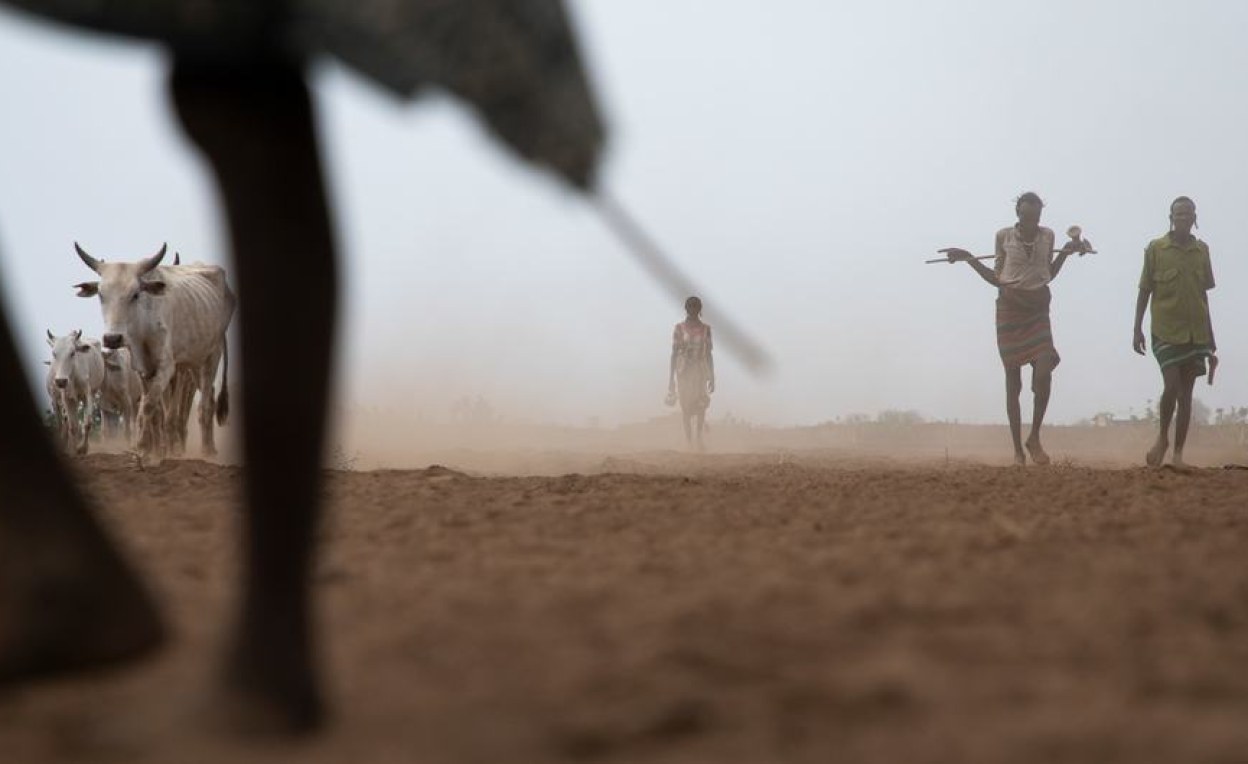
Food insecurity is being aggravated by crop failures, dwindling household resources and rising prices. In Raya Azebo woreda in southern Tigray, drought has devastated agricultural production, leaving households struggling to afford basic food.
More than 15,000 of the woreda’s 26,000 hectares of farmland had reportedly been cultivated, but only around 400 hectares showed crop growth, according to the assessment. Approximately 10,000 hectares were not planted because of a lack of rainfall in May.
A farmer quoted in the assessment said households could no longer afford basic food as prices soared while agricultural production collapsed. Many had exhausted their savings after almost a year without a meaningful harvest. Livestock owners have also suffered as animal prices fell, buyers became scarce, and livestock died from a lack of fodder and disease.
Earlier this month, FEWS NET projected Crisis-level food insecurity outcomes, classified as IPC Phase 3, will persist until January 2027 in parts of southern and eastern Tigray and lowland areas along the Tekeze River catchment.
Health services under pressure
The crisis is also straining an already fragile healthcare system. Hospitals in Sheraro are reportedly struggling to maintain services amid insecurity, shortages of medical supplies and prolonged delays in salary payments to civil servants. The assessment says unpaid salaries have contributed to health workers leaving the area, further reducing the availability of care.
Transporting medical supplies through areas affected by fighting remains difficult, while insecurity is limiting civilians’ ability to reach health facilities. Hospitals and other health facilities in Wukro and Adwa, as well as at Adigrat University, have reportedly been looted or vandalized.
A cholera outbreak in Wag Hamra zone in Amhara remains a concern, with humanitarian sources reporting limited availability of treatment supplies, including fluids. Mental health needs in conflict-affected parts of Afar also remain high, the assessment notes.
There have, however, been signs of improvement in humanitarian access to Tigray. An inter-agency convoy delivered essential supplies, including medicines, to northern Ethiopia on October 14, while the World Health Organization dispatched more than 71 tons of medical supplies. Hospitals in Tigray have also begun resuming operations.
The resumption of humanitarian flights to Mekelle and increased movement along the Semera-Abaala-Mekelle corridor have helped humanitarian organizations move personnel and supplies into the region. The International Committee of the Red Cross and the Ethiopian Red Cross Society also delivered essential equipment and medicines to hospitals in Shire, Maichew, Mekhoni and Alamata, as well as Chercher Health Centre.
Despite these developments, the assessment warns that access remains difficult or unsafe in areas experiencing active hostilities.
In Amhara, road blockages and insecurity continue to delay convoy movements, while humanitarian personnel have reportedly faced harassment, theft and demands for money.
Displacement and access to basic necessities
Displacement across Tigray, Afar and Amhara has largely remained within the same districts or zones, according to the assessment. However, the scale of new movements remains uncertain.
Civilians in rural parts of northwestern Tigray have reportedly moved toward Shire amid ongoing hostilities and heavy artillery fire. The assessment warns that new arrivals could intensify pressure on shelter and services in areas already hosting large internally displaced populations.
In Afar, an estimated 11,000 to 13,000 people may remain displaced, although the figures are difficult to verify. Some people previously displaced from areas including Abaala and Megale have reportedly returned home as security and humanitarian access improved.
In eastern Tigray, restrictions on movement and blocked roads have also disrupted access to food and essential goods. In Zala Anbesa, few supplies were reportedly reaching the town as of October 15, prices were rising sharply, and shops, restaurants and other businesses had closed, affecting both livelihoods and access to basic necessities.
The assessment warns that continued or intensified fighting could further undermine food security by restricting market supplies, prolonging shortages of cash and fuel, and driving up staple food prices.
Education has also been disrupted. Schools in Erob, Gulo Mekeda and Zala Anbesa in eastern Tigray remain closed, while the reported use of school facilities by armed actors in Tahtay Koraro has interrupted classes during the school year.
The full extent of the humanitarian crisis remains difficult to establish because of limited access, incomplete information and disrupted administrative structures. In Tigray, interruptions to the regional agriculture and disaster risk management institutions have also weakened local capacity to respond to drought.
The assessment concludes that improving humanitarian access must be accompanied by rapid needs assessments and stronger coordination to establish the scale of unmet needs and guide the response. It notes that the absence of functioning administrative structures continues to complicate humanitarian planning and coordination.
By Addis Standard.