
Kenya Rules Out Blanket Ebola Quarantines As MoH Rolls Out Risk-Based Screening
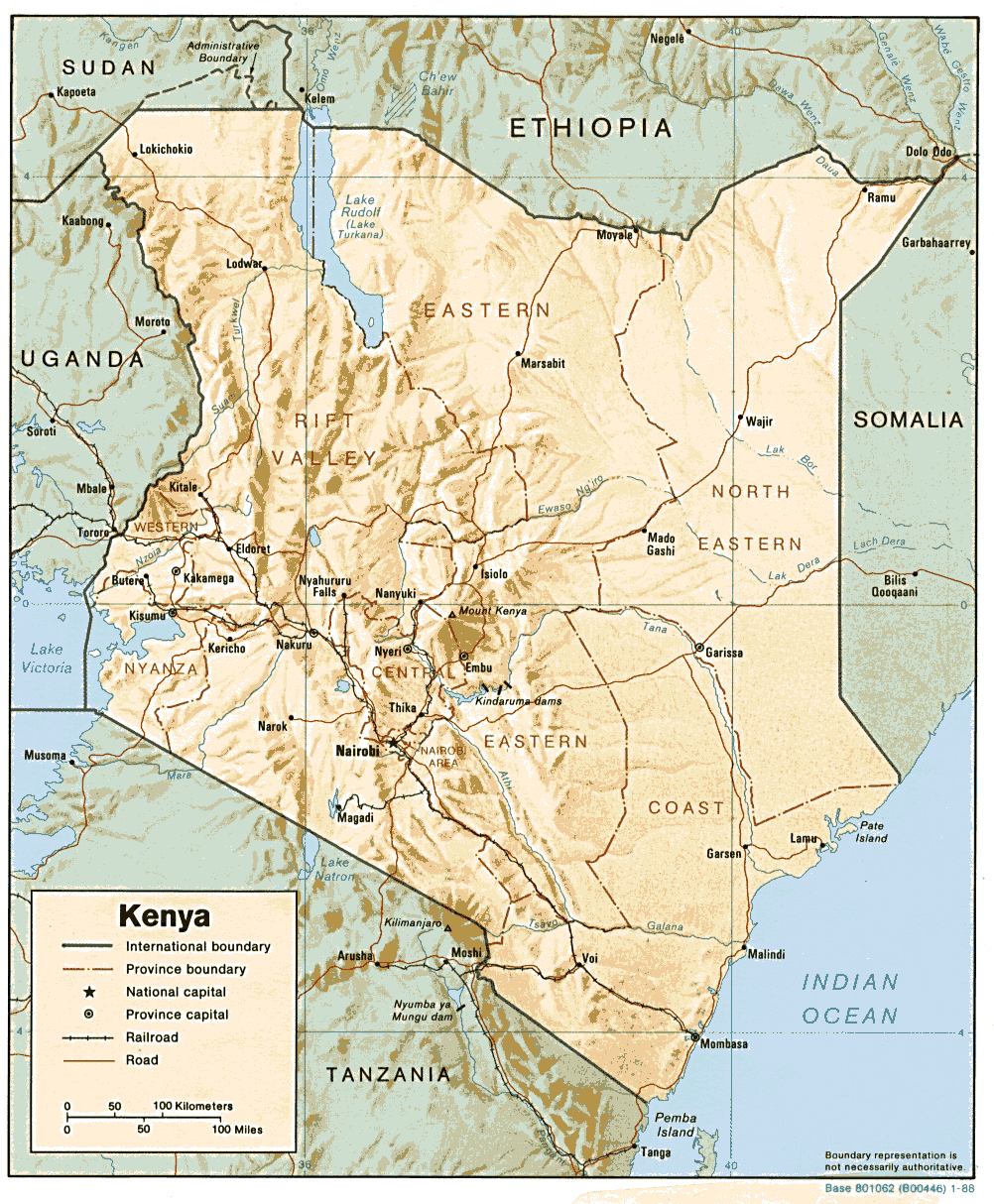
Nairobi — Kenya has ruled out imposing blanket quarantines on travellers and truck drivers as part of its Ebola preparedness measures, opting instead for enhanced risk-based screening and surveillance systems amid the ongoing outbreak in Uganda and the Democratic Republic of Congo.
The Ministry of Health said the country was implementing targeted monitoring measures aligned with International Health Regulations and World Health Organization guidance to minimize disruption while strengthening outbreak detection capacity.
“There is currently no blanket quarantine for truck drivers or travellers, but enhanced risk-based screening and monitoring measures are in place,” Health Cabinet Secretary Aden Duale said in a statement Tuesday night.
The government has already screened more than 34,500 travellers at airports, seaports, and land border crossings as authorities intensify efforts to prevent importation of the virus.
MoH said the new preparedness strategy includes deployment of an online passenger surveillance system designed to improve monitoring and follow-up of travellers arriving from high-risk regions.
Additional interventions include population mobility mapping in vulnerable border areas and enhanced airport surveillance in coordination with the Kenya Civil Aviation Authority.
Afya House also announced strengthened cross-border coordination with Uganda, DRC, the East African Community, WHO, and Africa CDC to improve information sharing and rapid response mechanisms.
“Enhanced airport surveillance and strengthened cross-border coordination are critical in ensuring rapid detection and containment,” the statement said.
Kenya has simultaneously expanded laboratory preparedness through designated testing centres at KEMRI Nairobi, KEMRI Kisumu, and the National Public Health Laboratory, alongside mobile laboratory platforms to support rapid diagnosis.
Public health officials are also ramping up risk communication campaigns through community health promoters, transport operators, media houses, digital influencers, and telecommunications partners to counter misinformation and panic.
MoH advised Kenyans to seek information only from official government communication channels, maintain proper hand hygiene, avoid contact with sick persons or bodily fluids, and seek immediate medical attention if symptoms emerge after travel to affected regions.
Members of the public can access Ebola Virus Disease information and public health advisories by dialling *719# or calling 719.
Despite heightened surveillance, the government maintained that Kenya remained Ebola-free but acknowledged that regional mobility and delayed outbreak detection in neighbouring countries continued to pose significant risk.
By Capital FM.