
Malawi: Chikangawa Plane Crash Inquiry Hears Conflicting Visibility Reports
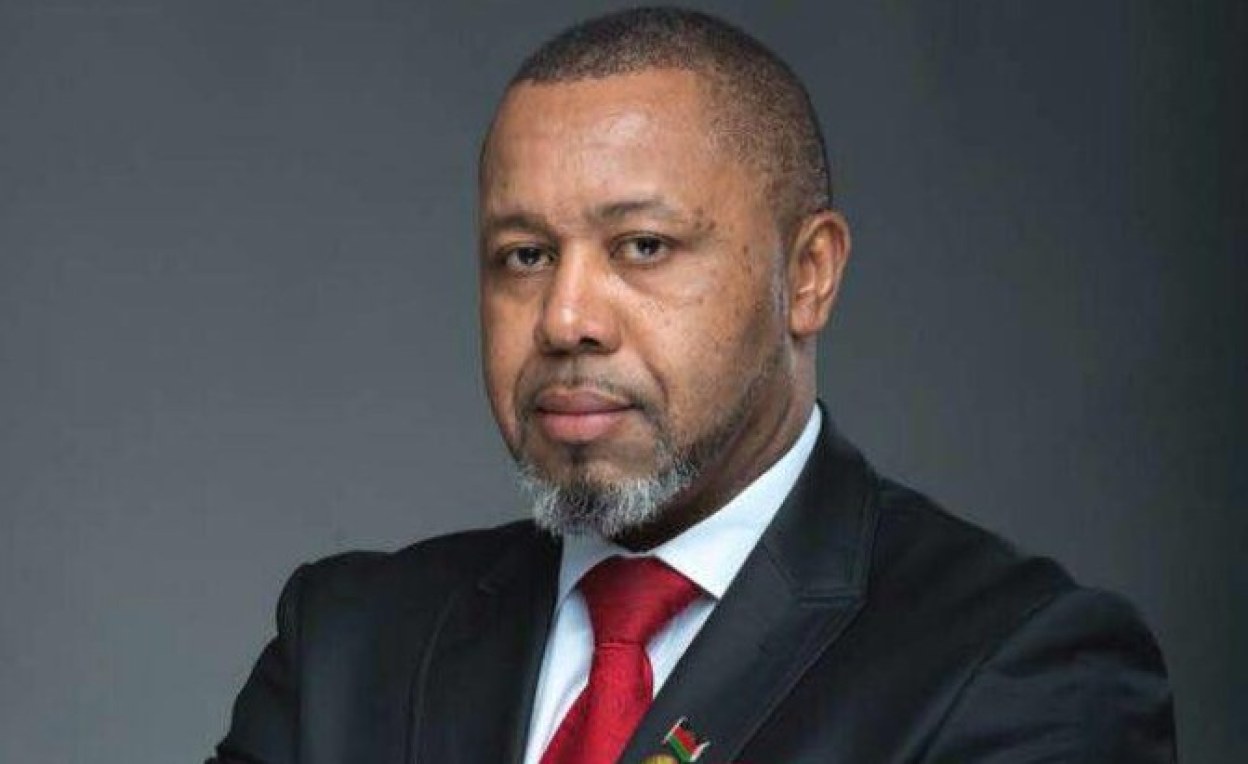
A former weather station chief has delivered explosive testimony to the parliamentary inquiry investigating the Chikangawa plane crash that killed Vice-President Saulos Chilima and eight others, telling the committee the doomed military aircraft could in fact have landed safely at Mzuzu Airport on the morning of the tragedy.
Olive Chavunguma, who served as officer-in-charge at the former Mzuzu Climate Change and Meteorological Station, told the Parliamentary Ad-hoc Committee that her station recorded visibility of eight kilometres at Mzuzu Airport on the morning of 10 June 2024 — visibility that, she insisted, would have been sufficient for the aircraft to land.
“I have worked in aviation for 35 years”
Drawing on decades of expertise, Chavunguma was unequivocal in her assessment.
“The plane could have landed at Mzuzu airport. If there were limiting factors, then the challenges were enroute because the accident happened in Chikangawa,” she told the committee.
She went further still, revealing that the same aircraft had previously operated and landed under similarly challenging conditions.
“I have worked in aviation for 35 years and from my experience it was possible to land the plane on the day,” she said.
Weather “generally overcast with drizzles and fog” — but visibility deemed adequate
Chavunguma acknowledged that weather at Mzuzu Airport that morning was generally overcast, with drizzle and fog in the vicinity, and confirmed visibility had actually improved further by the afternoon.
However, she stressed the recorded eight-kilometre visibility remained adequate for a pilot to see and land.
Crucially, she told the committee her station would only have issued a special weather report to air traffic control had visibility improved beyond 10 kilometres — or deteriorated to five kilometres or less.
Chavunguma refuses to confirm bad weather caused crash
Despite her striking testimony, Chavunguma was careful not to overstate her certainty, telling the committee she could not confirm the crash was caused by bad weather, nor could she confirm whether the pilots encountered very low visibility once the aircraft reached Chikangawa — the site of the fatal crash at Nthungwa Hill, within the Viphya Plantation forest area.
She cautioned the committee against relying solely on Mzuzu Airport’s weather records as an indication of conditions at the crash site itself, explaining that terrain, elevation and atmospheric conditions can vary dramatically between locations, even within the same general region.
MPs grill witness over visibility discrepancy with German report
Committee members pressed Chavunguma on a notable discrepancy between her station’s recorded readings and findings from Germany’s Federal Bureau of Aircraft Accident Investigation (BFU), whose report indicated visibility of less than eight kilometres.
Chavunguma maintained her station’s readings of eight kilometres, suggesting the difference may reflect the BFU’s own separate assessment, while insisting any reduction in visibility around 10am had been insignificant.
MPs including Blantyre Ndirande Malabada’s Ismail Mkumba, Dedza Kasina’s Joshua Malango and Nkhata Bay North’s Mackenzie Nkhwazi all pressed Chavunguma on whether the aircraft could realistically have landed safely under the conditions recorded that day, with Chavunguma maintaining throughout that it could have.
Nkhwazi also questioned whether BFU investigators had consulted the Mzuzu station’s weather records directly.
Chavunguma responded that she had not personally seen BFU experts visit the station, though she confirmed a commission of inquiry established by former President Lazarus Chakwera had visited Mzuzu Airport and inspected equipment used to detect weather conditions.
BFU report blamed “collision with terrain following adverse weather”
The final investigative report compiled by the BFU concluded the crash was caused by collision with terrain following adverse weather, stating that the flight crew had operated in adverse weather conditions that ultimately led to the tragedy.
The BFU report further alleged that Malawi’s Department of Meteorological Services failed to provide any meteorological information for the planned flight route — a failure the report says breached International Civil Aviation Organisation standards.
Mutharika orders fresh inquiry after “gaps” identified in previous reports
In January this year, President Peter Mutharika ordered a fresh inquiry into the crash, acting on a recommendation from Minister of Justice and Constitutional Affairs Charles Mhango, after gaps were identified in both the BFU’s report and the earlier commission of inquiry established under former President Chakwera.
Chavunguma’s testimony marks one of the most significant contributions yet to the ongoing inquiry, directly challenging the narrative that poor weather alone made the fatal flight unsafe — and raising fresh questions over exactly what went wrong once the aircraft left Mzuzu Airport en route to its final, catastrophic destination.
By Nyasa Times.


