Senegal’s Youth Olympics’ Welcome Should Include Everyone
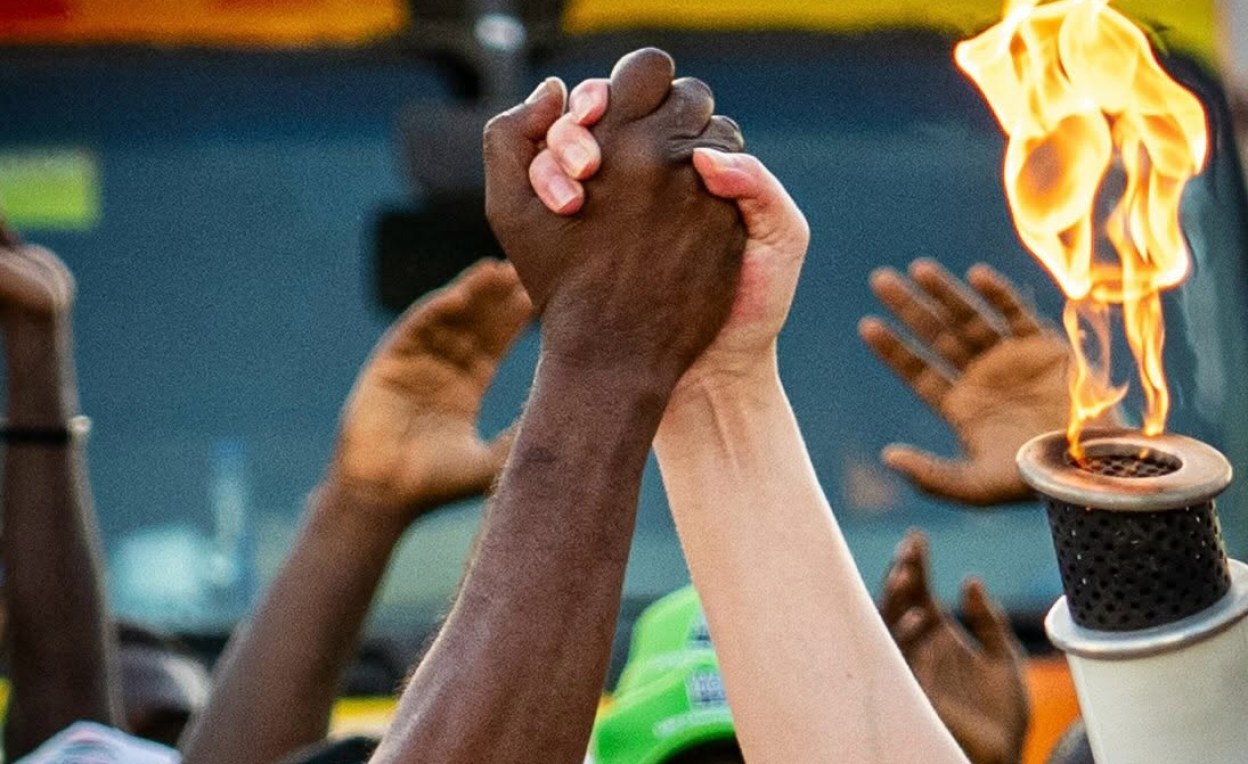
When the Olympic flame is lit in Dakar on October 31, Senegal will become the first African country to host an Olympic event. Nearly 3,000 athletes from 206 countries will compete at the Youth Olympics under the motto “Africa Welcomes, Dakar Celebrates.” Organizers have promised to greet them with teranga, a word that refers to the Senegalese tradition of hospitality, sharing and generosity.
On September 24, Senegal’s President Bassirou Diomaye Faye told the UN General Assembly: “By welcoming the world’s youth, Senegal will be hosting much more than just a sporting competition.” He said hosting the Youth Olympic Games shows “our differences [are] a strength, our diversity a richness, and our common humanity the foundation of peace.”
These lofty values are, however, in stark contrast to a law adopted in March that provides for a 10-year maximum prison term for consensual same-sex conduct and punishes “promotion” of homosexuality, or financial or other support for lesbian, gay, bisexual and transgender (LGBT) people and organizations.
A new Human Rights Watch report documents rights abuses under the amended law, including mass arrests, forced HIV testing, barriers to accessing legal representation, and degrading detention conditions.
Human rights defenders and lawyers said that the introduction of new offenses of “promotion” or “glorification” of homosexuality has led to fear and anxiety among legal professionals and contributed to an environment in which detainees struggle to secure legal representation.
The impact on LGBT people in Senegal has been devastating. A 22-year-old university student described children following him through his neighborhood singing a Wolof slur while adults looked on. “People started insulting me… I couldn’t even defend myself. I knew if I said something, they would all come after me. To come back home I had to wait until it is dark so no one would notice me,” he said.
Police and Gendarmerie have also tested detainees for HIV without consent, then used positive results to bring additional charges. Although a District court later dropped these charges, such practices have contributed to a broader climate of fear and mistrust around access to HIV-related services.
Health professionals said that the law and the arrests that followed had made people unwilling to seek needed care. “One-third no longer come in for appointments to seek HIV treatment,” a doctor in Dakar told Human Rights Watch. A psychologist at Cheikh Anta Diop University said campus consultations had tripled since March, many of them with young men experiencing severe anxiety, hypervigilance, withdrawal from social life, and obsessive behaviors driven by fear of being perceived and attacked as LGBT.
The new law also puts participants in the upcoming Dakar Youth Olympics, including athletes, staff, and fans — both residents and visitors at risk.
Globally, many athletes are using the Olympic platform to champion inclusion and diversity, including on issues affecting LGBT people. Many have also openly supported their LGBT teammates, coaches, friends, and family members. At the most recent Winter Olympics in Milan a record 50 out LGBT athletes competed, reflecting that LGBT inclusion has become part of the contemporary Olympic movement.
Senegal’s new law also blatantly contradicts the Olympic Charter, which prohibits “discrimination of any kind” within the Olympic movement, explicitly including discrimination based on sexual orientation. Senegal’s government is a key member of the organizing committee for the Youth Olympics. As part of their agreement with the International Olympic Committee (IOC), Olympic hosts commit to prevent, investigate, and remedy human rights abuses related to the games.
The example of the 2021 Tokyo Olympics showed that the Olympic spirit can inspire governments to act positively on LGBT people’s rights. After promising to welcome the world with “omotenashi,” Japan’s tradition of hospitality, the Tokyo Metropolitan government adopted an anti-discrimination ordinance tied to the Games. A national bill protecting LGBT rights stalled in 2021, but two years later Japan passed its first national law on LGBT rights. Campaigners credit the Olympics with advancing efforts to protect LGBT people from discrimination.
President Faye has a landmark opportunity to follow Japan’s lead. As the Games open, he should make a public commitment that all participants, visitors and residents will be protected from discrimination and arbitrary arrest. He should order the release of those detained under the LGBT law and refer the law to the
Constitutional Council to review its alignment with the Senegalese Constitution and international human rights obligations.
The IOC should use its close working relationship with Senegal’s government to call for action on the LGBT law before the games begin. Senegal can still reverse laws that expose its visitors, human rights defenders, journalists or lawyers to arbitrary arrest, harassment, violence, and discrimination.
One lasting legacy of the Youth Olympics that would be worth cheering is if the “teranga” welcome and safety can start with Senegal’s own citizens–no matter their sexual orientation or gender identity.
By Larissa Kojoué and Minky Worden