Kenya: The Real Bosses of Kenya’s Matatus Revealed After Chaos
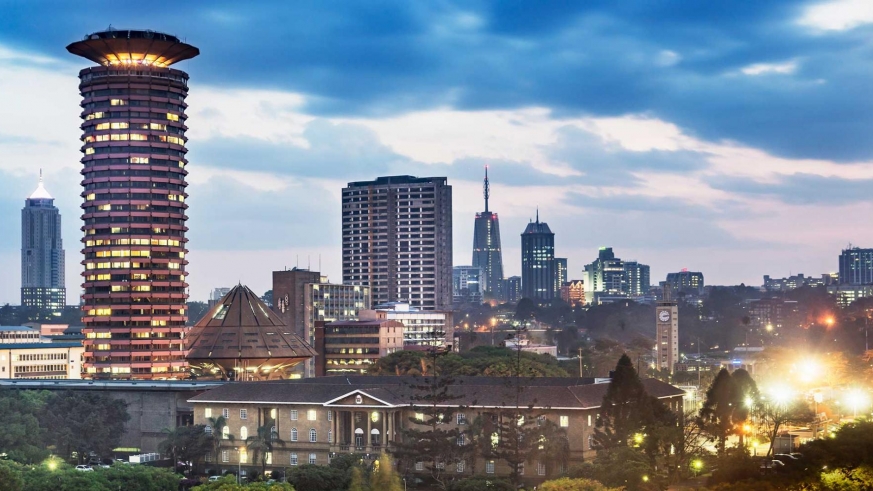
Nairobi — Nairobi’s Monday morning traffic chaos was not an accident.
It was planned, sabotaged, and avoidable.
That is the message from the Motorists Association of Kenya (MAK) after confusion rocked the city just hours after transport leaders claimed a nationwide matatu strike had been called off.
In a response to Capital FM, MAK said Kenyans were misled and that the events of the day exposed a deeper power struggle over who truly controls the matatu sector.
On Sunday night, the Federation of Public Transport Sector (FPTS) announced that the matatu strike scheduled for Monday, February 2, had been suspended following consultations with operators, boda boda riders, and security agencies. Kenyans were assured that public transport would run normally.
But by dawn, that promise collapsed.
Major roads including Waiyaki Way and Outering Road were blocked.
Traffic stretched for kilometres.
Commuters were stranded, late for work, school, and even hospital appointments.
MAK said the confusion was deliberate.
According to the association, the strike was organised by specific, recognised groups including the Matatu Owners Association, the Motorists Association of Kenya, and the Truckers Association of Kenya over a serious and ongoing security crisis involving the torching of vehicles, often without arrests or action.
“The announcement to suspend the strike was made without consulting the people who actually called it,” MAK said. “That was bad faith.”
– How the ‘suspended’ strike turned into chaos –
MAK accused FPTS of sabotaging a genuine protest by rushing to the media with claims of “consultations” that did not include key stakeholders.
The association said this was not about protecting the public, but about power.
Certain long-time players in the transport sector, MAK claims, feared losing influence if the protest succeeded.
Instead, MAK said, the strike suspension announcement was meant to weaken the protest, confuse the public, and preserve the status quo.
Ironically, MAK said, Monday’s chaos answered the big question everyone was asking: who is really in charge of the matatu sector?
Despite claiming the strike was suspended, protests went on. Roads were blocked. Vehicles were stopped. Keys were taken.
As traffic gridlock worsened, public frustration boiled over.
Commuters questioned how they could be promised normal transport one night, only to be stranded the next morning.
Online, many accused transport leaders of lying.
Police eventually moved in, towing matatus, removing number plates, and trying to restore order in Nairobi’s CBD.
MAK said the anger was justified.
“The disruption lies squarely with those who misled Kenyans into believing services would operate normally, then failed to deliver,” the association said, adding that the public deserves an apology.
Beyond the blame game, MAK insists the core problem remains untouched: insecurity in the transport sector.
Vehicles continue to be torched. Drivers and owners feel unprotected. And criminals, MAK says, are operating with impunity.
Until that issue is addressed honestly and until all legitimate transport associations are brought to the table MAK warned that chaos will keep returning.
“Kenyans deserved honesty, not theatrics,” the association said.
By Capital FM.