Zimbabwe Turns to Cloud Seeding As Drought Threat Looms
Zimbabwe is turning to cloud seeding as part of efforts to protect the 2026/27 agricultural season from the threat of below-normal rainfall linked to a forecast Super El Niño.
The government has identified three aircraft, alongside drones, for cloud-seeding operations as part of a wider six-pillar drought mitigation strategy aimed at protecting food production and livelihoods.
Agriculture, Mechanisation and Water Resources Development Minister Dr Anxious Masuka said the aircraft will operate from Harare, Bulawayo and Masvingo, with deployments dependent on suitable weather conditions.
“As you are aware, Government has already approved a drought mitigation plan with six pillars, and now this meeting came up with a contingency plan whereby this time we agreed to use our conventional aeroplanes and drones that will be availed to conduct cloud seeding when need be,” Masuka said.
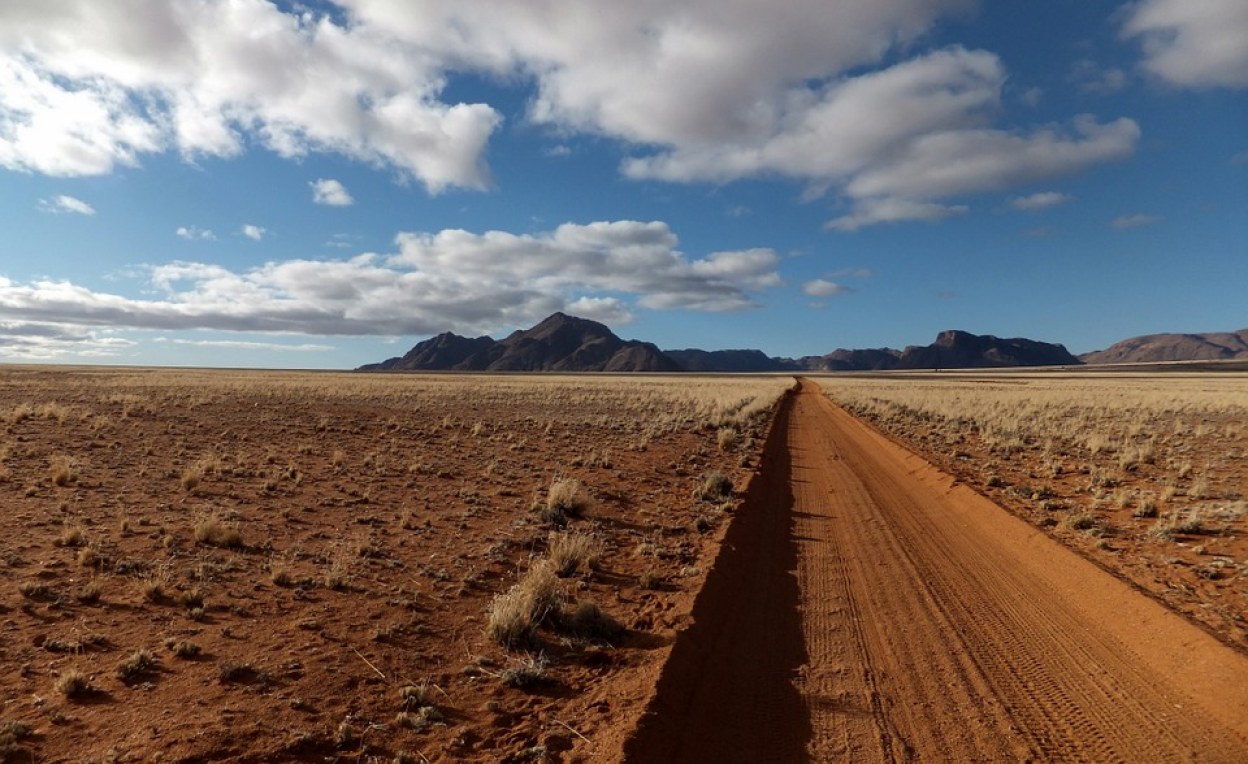
The intervention comes as Zimbabwe prepares for a potentially difficult summer cropping season, with forecasts pointing to below-normal rainfall and elevated temperatures.
For farmers who depend heavily on rain-fed agriculture, the prospect of prolonged dry spells presents a major risk to crop establishment, yields and livestock production.
Cloud seeding is a weather modification technique in which particles are introduced into suitable clouds to encourage the formation of rainfall. However, it cannot create rain where there are no suitable clouds or sufficient atmospheric moisture, meaning it will not replace irrigation, water harvesting or climate-smart farming practices.
The Government’s cloud-seeding plan is therefore being positioned as one component of a broader drought response.
The six-pillar strategy includes strengthening strategic grain reserves, scaling up climate-smart agriculture, improving agricultural financing, protecting livestock, facilitating imports where necessary and strengthening early-warning systems.
The government has also placed greater emphasis on irrigation development as Zimbabwe prepares for a season expected to be drier than normal.
Permanent Secretary in the Agriculture Ministry Professor Obert Jiri said irrigation, climate-smart production and early planning would be critical in reducing the impact of the anticipated conditions.
“As we move into the next season, which is expected to be drier than normal, we must look ahead, set targets and budget accordingly. We are looking at irrigation development as we go into the El Niño season,” Jiri said.
For smallholder farmers, experts have also urged greater emphasis on conserving soil moisture, harvesting water, protecting crop residues and considering drought-tolerant varieties.
The Meteorological Services Department has warned that farmers should not interpret the seasonal forecast as an indication that there will be no rainfall. Instead, rainfall could be erratic, poorly distributed and separated by prolonged dry spells, making planting decisions particularly important.
The Government’s approach also reflects lessons from previous droughts, with authorities seeking to move towards acting on early warnings before climate shocks translate into major agricultural losses.
The Food and Agriculture Organisation has similarly called for anticipatory action ahead of the 2026/27 season, including stronger early-warning systems, water infrastructure, climate-smart agriculture and targeted support for vulnerable farming communities.
For Zimbabwe’s farmers, cloud seeding could provide an additional tool when atmospheric conditions allow. But the success of the coming season will also depend on how effectively farmers and authorities combine rainfall interventions with irrigation, water conservation, appropriate crop choices, livestock preparedness and timely weather information.
With the planting window approaching, the message from Government is increasingly clear: preparations for a potentially difficult season need to begin before the rains — not after they fail.
By 263Chat.